Sustainable beauty tools and accessories: how to replace ABS with bio-based materials
Happy news for the eco-conscious consumers, even beauty products intended for long-term use no longer need to be made from fossil-based plastic. The same bio-based materials that have already reshaped cosmetic pencils, caps, and containers are now making their way into brush handles, applicators, and massaging tools signaling a gradual shift away from traditional ABS plastics.
What is ABS and why is it still used in beauty tools and accessories?
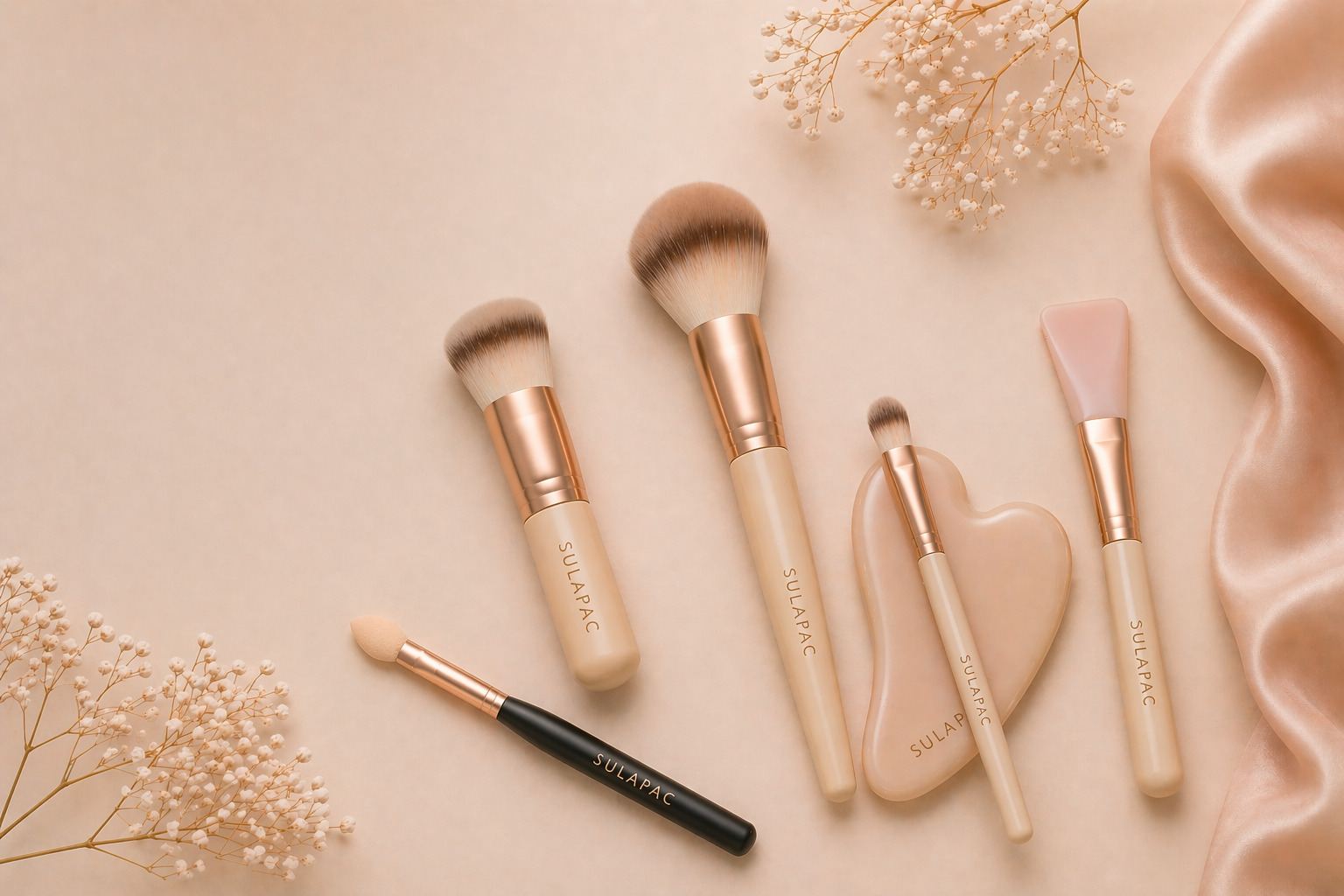
ABS, short for acrylonitrile butadiene styrene, is a fossil-based plastic widely used in beauty accessories that require durability and dimensional stability. Common applications include cosmetic pencil sharpeners, brush handles, and mirror components, as well as various skincare tools.
ABS is highly impact-resistant, maintains its shape over time, and is easy to process in manufacturing. This is why it has remained a go-to choice for products that are handled frequently and need to feel sturdy and polished in use.
Why is ABS a problematic material in beauty tools and accessories?
ABS is composed of acrylonitrile, butadiene, and styrene – all petroleum-derived and hazardous to human health and the environment. As ABS plastics degrade over time, these chemicals may leach into the environment with potentially devastating effects on ecosystems and wildlife. As it breaks down, it also contributes to microplastic pollution, with small particles entering water, soil, and potentially the food chain. Furthermore, recycling ABS is challenging.
Why are beauty brands looking for alternatives to ABS?
ABS is becoming increasingly difficult to justify in new product development, particularly in applications where more sustainable alternatives are available. For beauty companies, this means re-evaluating the materials used in tools and accessories that have traditionally relied on conventional rigid plastics like ABS.
Are bio-based alternatives to ABS already being used in the beauty industry?
Sulapac has already established a strong presence in the cosmetics sector, where our bio-based materials are widely used across applications ranging from packaging to cosmetic pencils.
In cosmetic packaging, Sulapac materials are used in caps and closures, as well as in inserts and containers. For example, the lids and caps in Ulé products are made using our bio-based material. Another example is the marbled caps created for Dix Hectares, combining Sulapac’s material innovation with FaiveleyTech’s advanced multi-injection molding to achieve premium aesthetics. Sulapac Nordic Collection jars and Nissha’s cosmetic containers made of Sulapac are used by numerous cosmetic brands across the globe.
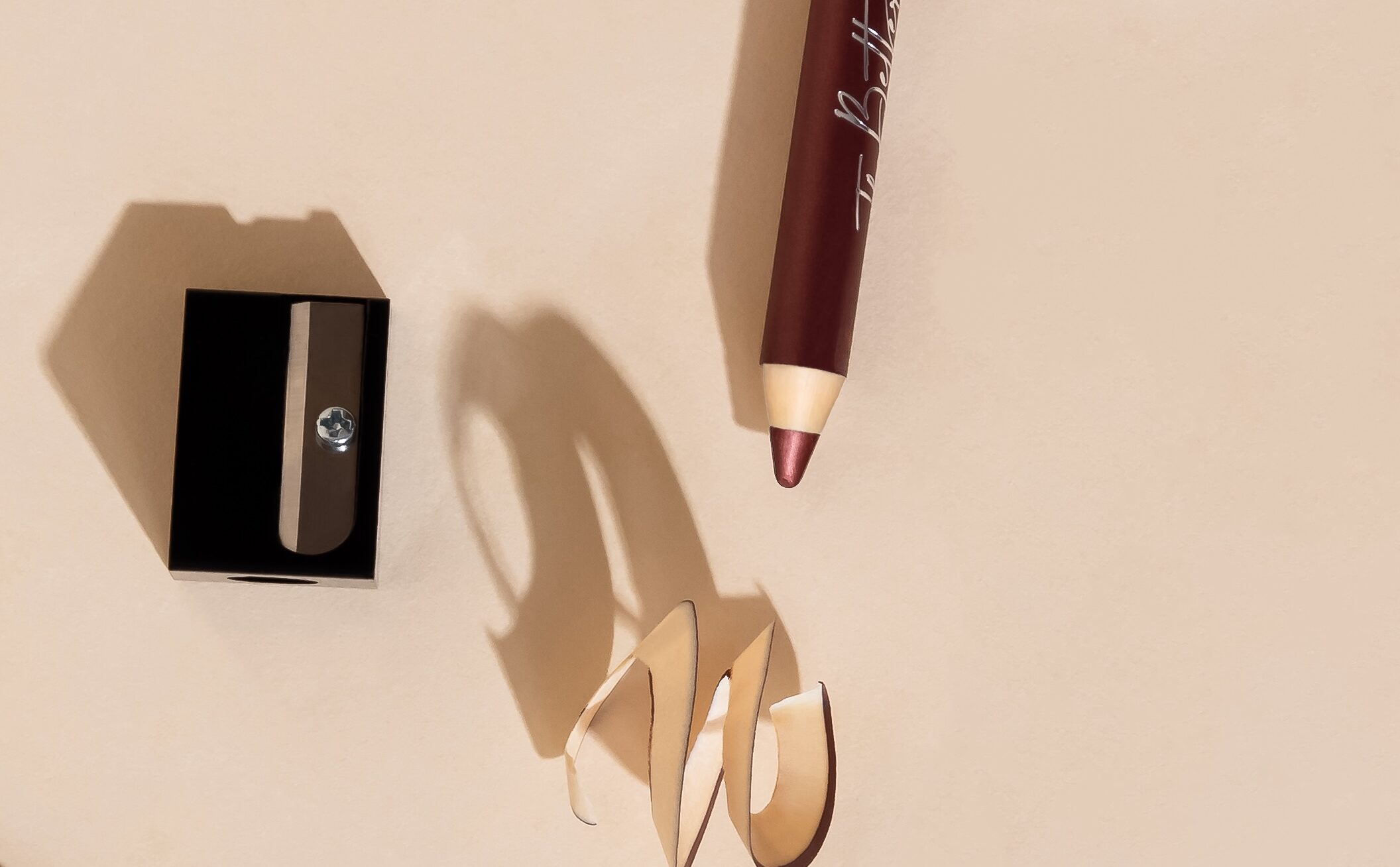
In cosmetic pencils, materials such as ABS and AES have traditionally been widely used due to their performance and finish, but alternatives are now gaining ground. Schwan Cosmetics launched the first sharpenable cosmetic pencils made from Sulapac in 2022, and since then, Sulapac barrels have been widely adopted for sharpenable pencils among small and large brands. L’Oréal Groupe also recently announced plans to use Sulapac’s bio-based material Flow 1.8 in their cosmetic pencils in collaboration with Schwan Cosmetics.
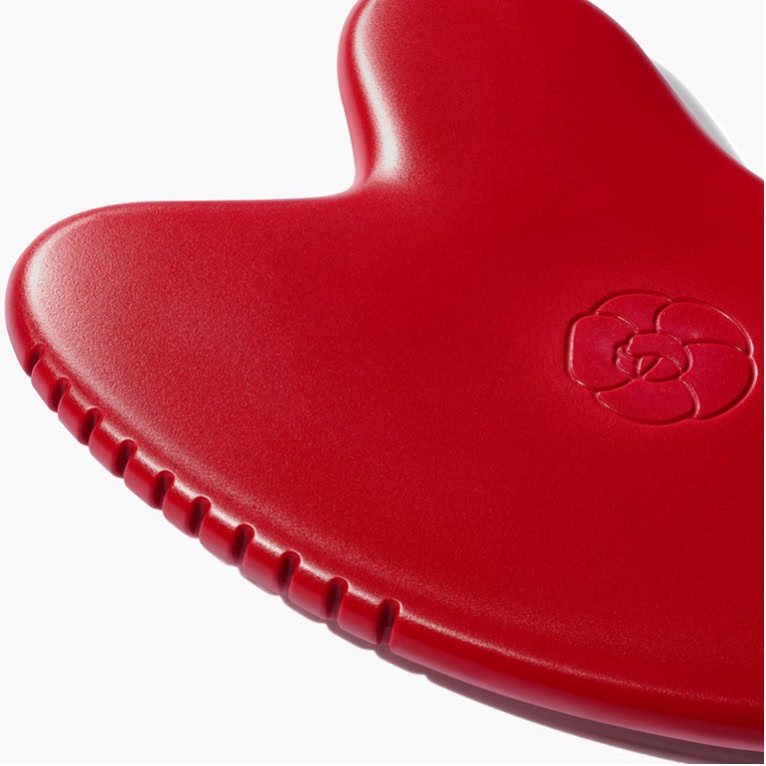
In beauty tools and accessories, brands are starting to move away from conventional hard plastics. The N°1 de CHANEL massage accessory, developed with Sulapac and FaiveleyTech, is made from over 85% bio-based materials, including camellia seed shells. Its smooth finish and deep red color have impressed both consumers and the jury of the Formes de Luxe Awards 2025, where it won in the Applicators & Beauty Tech category.
Which beauty tools and accessories are bio-based materials suitable for?
Bio-based materials can be used in a range of applications where conventional hard plastics like ABS are currently used, including:
- Brush handles, applicator handles, and spatulas
- Sharpeners, mirror frames, and powder compact cases
- Massage tools and facial rollers
- Eyelash curler components, hair combs, and hairbrush handles
What are the key material requirements for replacing ABS in beauty tools and accessories?
Replacing ABS in beauty tools and accessories requires materials that can deliver the same key properties as fossil-based plastics, including rigidity, durability, and a premium look and feel, while addressing their environmental challenges.
Bio-based injection molding materials, such as Sulapac Luxe Flex and Sulapac Solid, are used to replace conventional hard plastics like ABS. They provide a ceramic-like sound and premium tactile feel that align with luxury brand expectations, and are compatible with existing production setups. This allows brands to make the shift without changing their manufacturing processes.
Sulapac’s product range also includes bio-based materials for 3D printing.
Can bio-based materials used in beauty tools be extended to their packaging too?
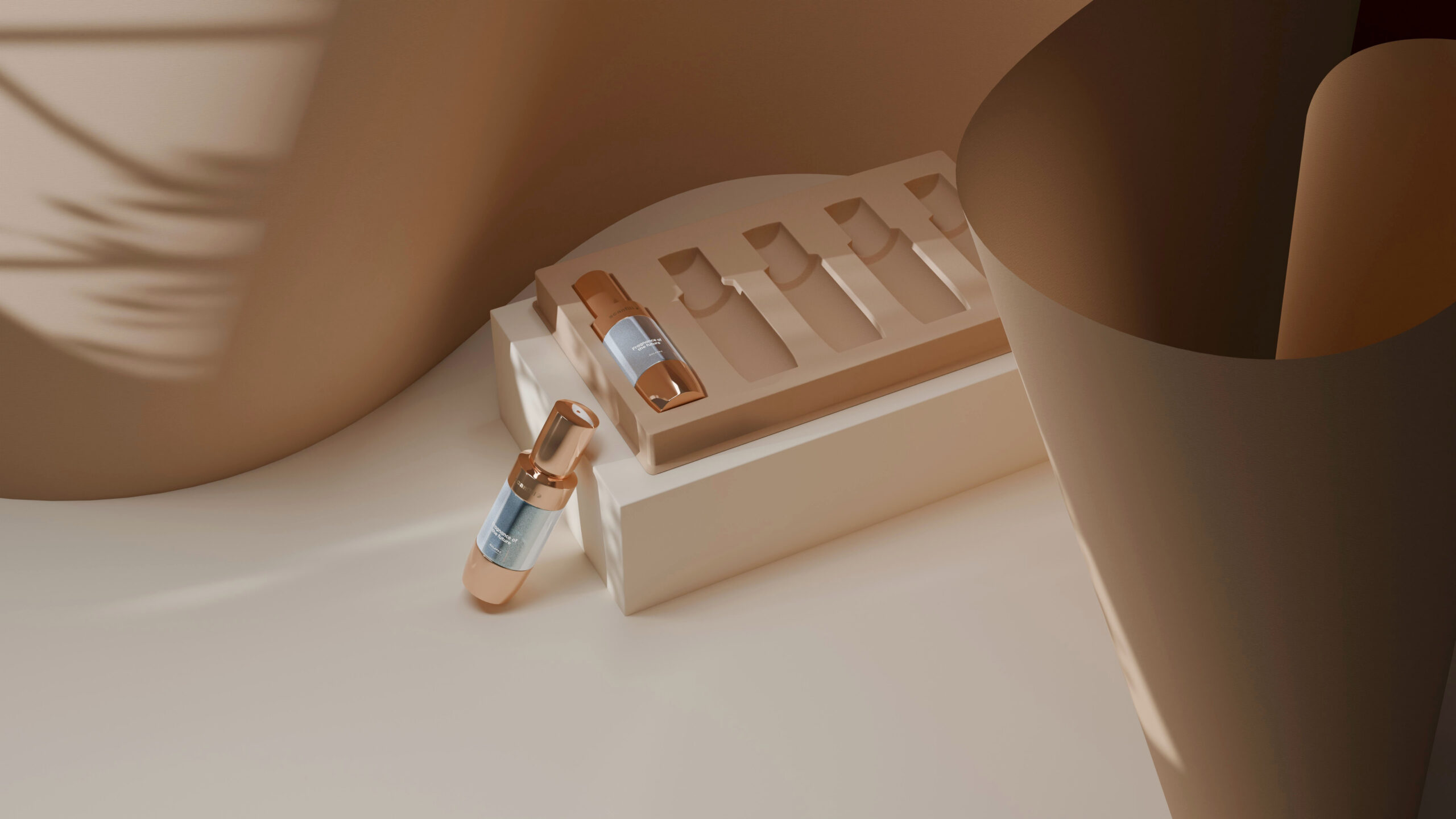
The use of Sulapac materials is not limited to the tools themselves. Many accessory brands are currently exploring Sulapac’s bio-based materials for their product inserts and trays as well. One example is a thermoformed eyelash curler insert made from Sulapac Flow 1.7, soon to be introduced to the market.
Are you exploring sustainable alternatives for your beauty tools, accessories, or their packaging? You can reach out to Colin or Katja from our cosmetics team to find out more.
 07.08.2026
  3 min
3 min